1. Quiet, private arrival
The crew can arrive in an unmarked vehicle and work without drawing attention if the owner prefers.
New Haven, MO · Franklin County
How do you clean a space after drug use in New Haven? Call (877) 812-4220 to talk about removing sharps, clearing contaminated soft materials and disinfecting surfaces.
If anyone is in danger, call 911 first. For a suicide crisis, call or text 988.
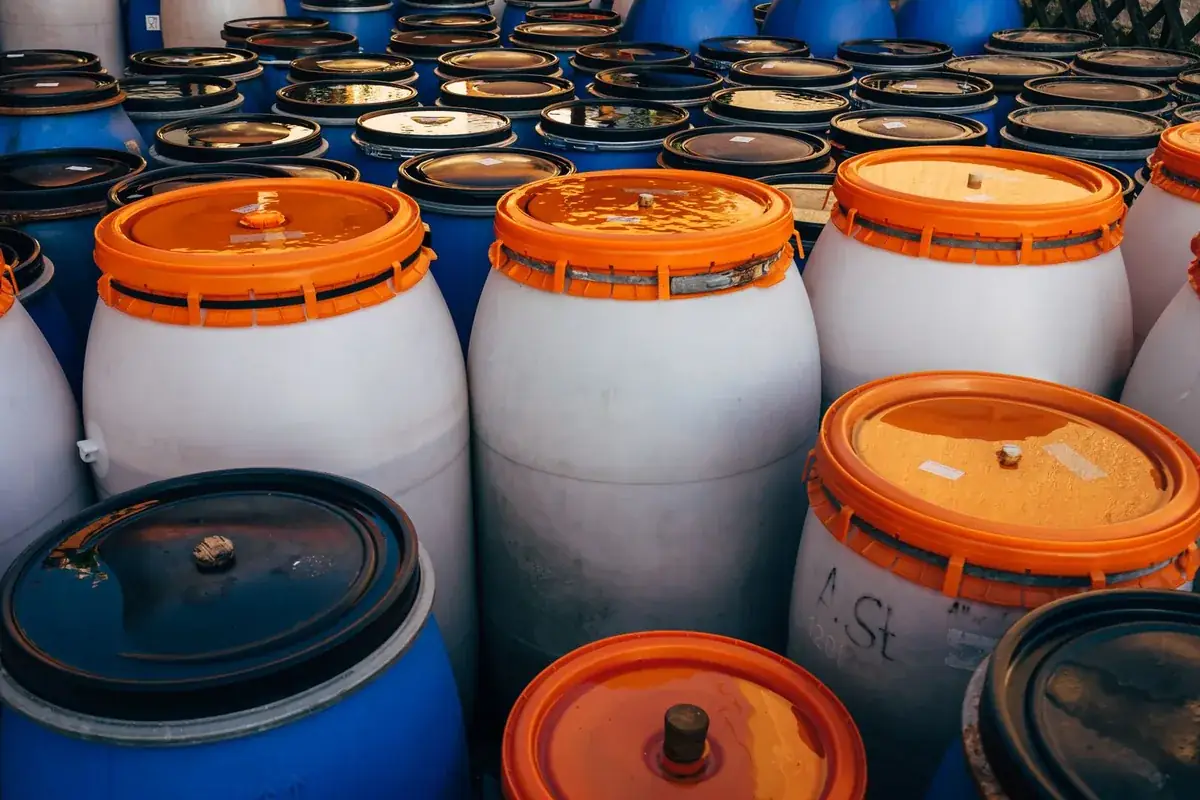
Drug residue cleanup removes powders, stains and films left on floors, furniture and fabrics after drug use. Because residue is often invisible and hard to identify, crews treat it as hazardous.
After a tenant leaves, you may find needles, residue or stained rooms in your New Haven property. Call New Haven Biohazard Cleanup Help for a team that collects sharps safely, removes soiled materials and cleans the unit, anywhere in Franklin County.
The vacancy rate in Franklin County is only about 7%, so most paraphernalia calls come from occupied homes, rentals and businesses. Tell the doctor where the exposure happened. Mercy Hospital Washington, about 10 miles from New Haven, can evaluate people who may have been exposed.
Drug Paraphernalia Cleanup in New Haven usually includes:
The crew can arrive in an unmarked vehicle and work without drawing attention if the owner prefers.
Crews put on gloves, eye protection and respirators when needed, then search every room for sharps and other items.
Contaminated materials are bagged and carried out. Rebuilding or replacing them can wait until the space is clean.
Surfaces are disinfected, odors are treated, and a last walk-through confirms the space is ready.
The cost of drug paraphernalia cleanup in New Haven, MO depends on the amount of material, how it is packed and how it is hauled.
How many items and sharps are present changes the scope, because each needle has to be found, lifted and sealed.
| Type of job | Typical range |
|---|
Published ranges only (); every drug paraphernalia cleanup job in New Haven is priced after an on-site look. Price drivers include amount of material, whether residue is present, surfaces affected, waste disposal. Questions? Call (877) 812-4220.
Loose syringes should never go in household trash, because they can stab sanitation workers. Other items may carry residue. A cleanup team seals and disposes of everything the safe way.
Vehicles can hold syringes, residue and odor in seats, carpets and vents. Ask whether the team cleans vehicles and how soft materials are treated. Crews use the same protective gear and sealed containers as in a building.
It is safer not to. You often cannot tell what an item or residue is, and hidden sharps are a risk. Do not mix cleaning products. A cleanup team has the protective gear and containers to do it safely, without judgment.
Often, yes. Many teams can arrive in an unmarked vehicle and work quietly. If privacy matters, ask about it when you call. The crew shares only what it needs to plan the work.
It can. Powders and stains may stay on floors, furniture, bedding and in vents after the items are gone. That is why a team cleans and disinfects the surfaces and removes soft materials that cannot be cleaned. Ask what the plan covers.
A careful cleanup removes the items and cleans the surfaces it covers. Testing is a separate step, and rules vary by place. Ask the team what it did and did not check, and ask the local health department what applies where you live.
A cleanup team removes the items, treats the surfaces and keeps the details private.
Call (877) 812-4220